Blog Post #3
 |
| Hirsch, L. (2012). Bully Logo [Online Image]. Flixable. https://occ-0-2119-2120.1.nflxso.net/dnm/api/v6/X194eJsgWBDE2aQbaNdmCXGUP-Y/AAAABVFSBrlczAhDALtGRmZ88oxWeOCXlqF39L8YJvu_3ZFqPVCWq8Bmti3RI4U7gjyqLvm4ltwvuvhRmP_drkNlyhAR_W5S.jpg?r=00d |
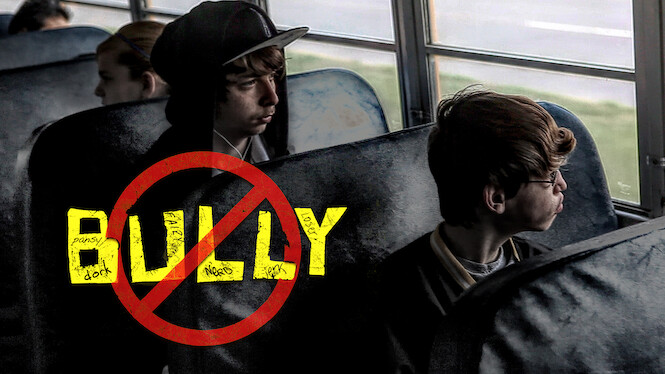
After viewing the documentary Bully on Netflix, and reading through several different articles on the topic of bullying, I was able to realize how big of an issue it still is in our schools today. Although during my experience as a student, I never took apart of any sort of bullying, and never witnessed it either, I look back now hoping I wasn't just blind to it. Reading some statistics on bullying in schools was very alarming, especially the statistic by The National Association of School Psychologists, as they estimated that over 160,000 students miss school each day because they fear they will be bullied (The Bully Project, 2014). There should be no tolerance whatsoever for bullying of any kind, and there were multiple things that stood out to me from the documentary, and the articles that made me feel stronger on my opinion of bullying.
The biggest thing that stuck with me throughout the entirety of the documentary Bully was the story of Tyler, and how much of an impact bullying had on his life, and how it led to the end of it. Seeing the videos of Tyler as a happy kid with his parents, and seeing his father before and after Tyler's suicide was really powerful and sad. No parent should ever have to go through losing their child, and these children should never be bullied so much to be pushed to that point. I was happy to see about halfway through the film where children at Tyler's school stood up for themselves about bullying at the school intervention they had. The important thing I took out of this film is to make sure we move in the right direction, and prevent bullying as we move into the future.
As a future educator, my number one goal is to make sure my students always feel as safe as possible in my class. As I stated in my last blog, I will make sure the safety and protection of my students remains my number one priority. Teaching my kids to be an "up-stander", instead of a bystander will be a big emphasis of mine. Some things I will encourage my students to do will include helping those who are being bullied, stop harmful messages from spreading, welcoming new students and friends, and respecting others differences (Eyman, 2009). Another way to help can be to show the students how to recognize and manage their emotions in order for them to respond to conflicts of bullying in a calm and assertive way (Ragozzino, 2009). Both of these approaches can help me to keep my future classroom clear of bullying, and make sure my students have no barriers to maximize their potential.
Nick Incalcaterra
References
Eyman, W. & Cohen, J. (2009). 10 ways to be an upstander. BullyBust: Creating a Community of Upstanders(TM), the nationwide bully prevention/pro-upstander campaign from the National School Climate Center (NSCC). www.BullyBust.org. Link
Framing bullying for educators. The Bully Project. Link
Ragozzino, K. & O'Brien, M.U. (2009). Social and Emotional Learning and Bullying Prevention. Prepared for the National Center for Mental Health Promotion and Youth Violence Prevention by the Collaborative for Academic, Social, and Emotional Learning (CASEL) and the Social and Emotional Learning Research Group at the University of Illinois at Chicago. Link
Hi Nick!
ReplyDeleteWhen sharing your experience as a student, I related to the sense that I was never involved with bullying, but I wonder if I was a bystander at some point. After reading the articles, it also occurred to me how high the numbers are in bullying and the rate of how many students miss school because of bullying. I can not even imagine what those kids went through and felt. As future educators it is our job to create a school climate where our students should not fear coming to school because they are scared of being bullied. I like that you mentioned you want to pair students up new ones, and matching your good students with a student that may be bullied. I think it is so important that students need to continue their education without being interrupted emotionally and socially by bullies. It is important for us future educators to look out for signs of bullying as well as students that are being bullied. Nice job Nick!