Blog Post 7: Vaping & Drug Abuse in Schools
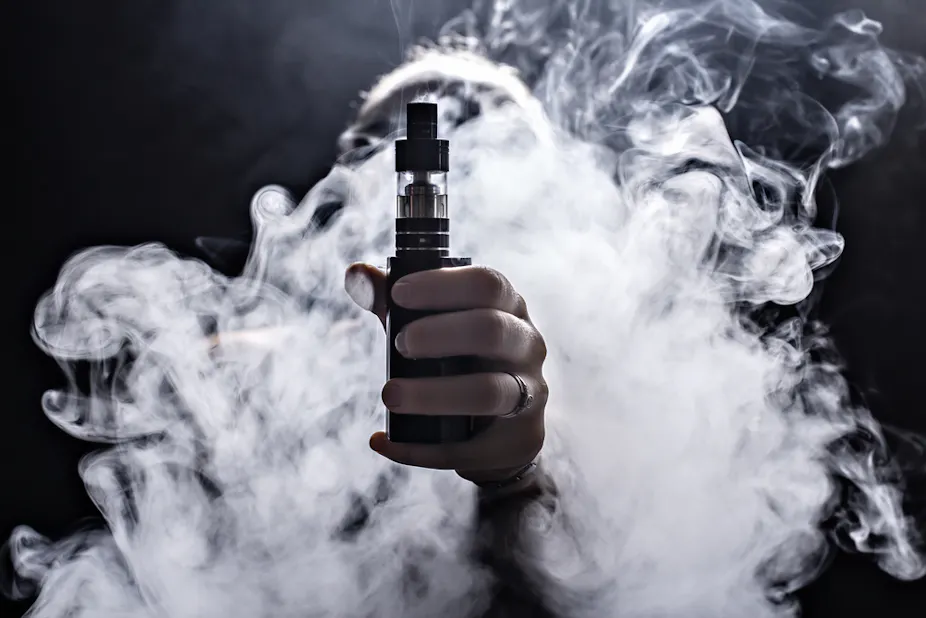 |
| Cotton, S. (2018). Vaping: how safe is it? [Online Image]. The Conversation. https://images.theconversation.com/files/231058/original/file-20180808-191044-1lzwdcd.jpg?ixlib=rb-1.1.0&q=45&auto=format&w=926&fit=clip There were many memorable and interesting moments I came across while reading through the articles and watching the video on vaping in schools. Both the video, and the articles opened my eyes to the issues of alcohol and drug abuse, and the ramifications these abuses can have on not only a person's health, but their relationship with their families and significant others. One moment from the video "Vaping in Schools: 'Juuling is Popular Among Teens Despite Health Risks", that was memorable was when the principal describes how there isn't a stereotype for people who vape. He describes how he has "athletes and honor kids doing it", which makes it hard to tell who is actually vaping, and who isn't. Another moment that was very alarming and interesting was when they described how vaping can lead to memory and attention loss, especially for a developing brain. I thought this was extremely interesting because I believe if more teenagers knew this, they'd definitely stop vaping for good. Another memorable moment from this video was how the principal decided instead of punishing the students for vaping, he would educate them on why they shouldn't vape instead. I believe this is a way better strategy to deal with vaping in schools, as showing teenagers the negative effects can help them quit instead of just disciplining them. This idea was also prevalent in the article "The student vaping crisis: How schools are fighting back" as the article describes it's very "tricky" to balance sending a strong message to students about vaping not being tolerated, while also trying to educate students and realizing they may not be aware of the "potential health consequences and available treatment options if they become addicted"(Superville & Prothero, 2019). This strategy shown in the video, and explained in the article of educating instead of punishing is something I would like to use as a future educator. I believe this strategy would be in the best interest of my students and this would help them to truly make a change to help themselves. Another resource I found that can help me as a future educator was a publication named "Tips for Teens: E-Cigarettes". This publication is something that I could print out and put on the wall as a poster, as it has many different important facts, and answered questions about the use of vapes and e-cigarettes. Not only does this publication have the risks of vaping such as nicotine being a highly addictive substance which can "prime young brains for addiction to other
drugs, such as cocaine and methamphetamine"(Tips for Teens, 2019), but also the laws, and resources for more information on the topic. Making sure all students know the risks of using these harmful substances is all you can really do in this situation as an educator, and I will make sure to do this to the best of my ability with these different resources. Nick Incalcaterra References |
Alcohol and Drug Addiction Happens in the Best of Families (2012). U.S. Department of Health and Human Services Substance Abuse and Mental Health Services Administration. Link
Superville, R.A. & Prothero, A. (2019, August 27). The student vaping crisis: How schools are fighting back. Education Week. Link Tips for Teens: The Truth About E-Cigarettes. (2019). U.S. Department of Health and Human Services Substance Abuse and Mental Health Services Administration. https://store.samhsa.gov/product/Tips-for-Teens-The-Truth-About-E-Cigarettes/PEP19-12 Vaping in Schools: 'Juuling' is Popular Among Teens Despite Health Risks. (2018). PBS News Hour. Retrieved on October 29, 2020 from Link |
Comments
Post a Comment